

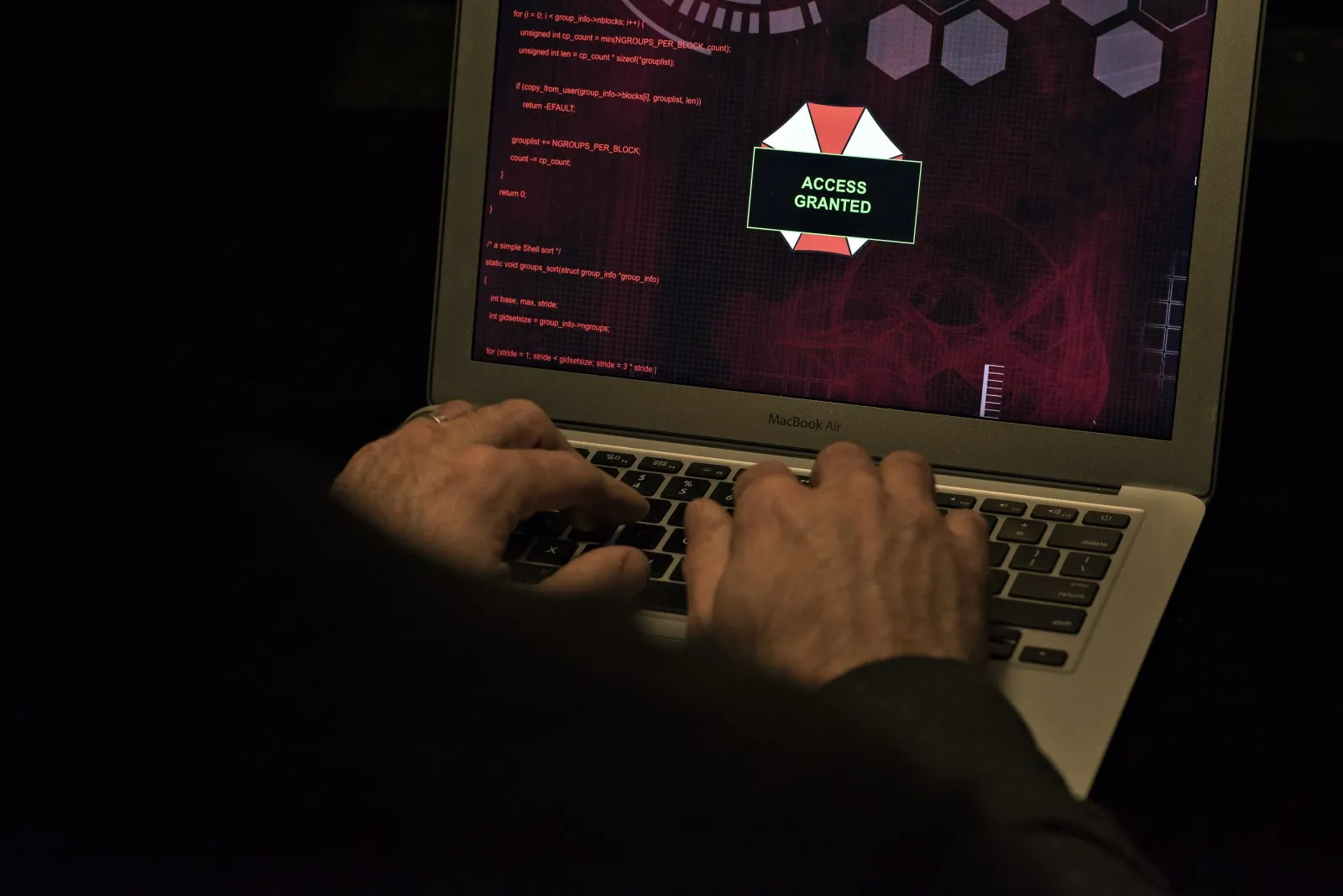
The dark web, often misunderstood and shrouded in mystery, is a complex and fascinating part of the internet. While it’s true that the dark web is home to illegal activities, it’s also a space where privacy, anonymity, and free speech thrive. In this article, we’ll explore the dark web, its legal aspects, the threats it poses, and how to stay safe while navigating this hidden part of the internet.
Understanding the Dark Web
The dark web is a small portion of the deep web, which includes all parts of the internet not indexed by search engines. The dark web is accessible only through specialized software, such as the Tor browser, which anonymizes users’ IP addresses and encrypts their traffic.
The Dark Web vs. the Deep Web
It’s essential to distinguish between the dark web and the deep web. The deep web includes any online content not indexed by search engines, such as email inboxes, online banking portals, and private databases. The dark web, on the other hand, is a small subset of the deep web that is intentionally hidden and requires specific software to access.
How to Make Money with the Dark Web
While the dark web is often associated with illegal activities, there are legitimate ways to make money within this space. Here are a few examples:
1. Freelance Services
Many professionals offer their services on the dark web, such as programming, graphic design, and writing. These services are often in high demand, and clients are willing to pay well for quality work.
2. Selling Digital Products
If you have a knack for creating digital products, such as e-books, software, or courses, you can sell them on the dark web. Platforms like Tor-based marketplaces allow for secure and anonymous transactions.
3. Affiliate Marketing
Affiliate marketing is another way to make money on the dark web. You can promote products or services and earn a commission for each sale made through your referral link.
Legal Research on the Dark Web
The dark web is a valuable resource for legal research, particularly in areas where privacy and anonymity are crucial. Lawyers, journalists, and researchers often use the dark web to gather information that is not readily available on the surface web.
1. Accessing Censored Information
In countries with strict censorship laws, the dark web provides a way to access information that would otherwise be blocked. This can be particularly useful for legal research in areas such as human rights and freedom of speech.
2. Investigating Cybercrime
Law enforcement agencies and cybersecurity firms use the dark web to investigate cybercrime. By monitoring dark net sites, they can gather intelligence on criminal activities and track down perpetrators.
Threats on the Dark Web
While the dark web offers opportunities for legitimate activities, it’s also a hotbed for illegal activities. Here are some of the most significant threats:
1. Cybercrime
The dark web is a hub for cybercriminals who sell stolen data, hacking tools, and other illegal services. This poses a significant threat to individuals and businesses alike.
2. Scams and Fraud
Scams and fraud are rampant on the dark web. From fake investment schemes to phishing attacks, users must be vigilant to avoid falling victim to these scams.
3. Malware and Ransomware
Malware and ransomware are common threats on the dark web. Cybercriminals often use these tools to infect users’ devices and demand payment for the release of their data.
Prevention and Safety Measures
To stay safe while navigating the dark web, it’s crucial to take the following precautions:
1. Use a VPN
A Virtual Private Network (VPN) encrypts your internet traffic and masks your IP address, adding an extra layer of security when accessing the dark web.
2. Keep Your Software Updated
Ensure that your operating system, browser, and antivirus software are up to date. This helps protect against known vulnerabilities that cybercriminals may exploit.
3. Be Cautious with Downloads
Avoid downloading files from untrusted sources. Malware and ransomware are often disguised as legitimate software or documents.
4. Use Strong Passwords
Use strong, unique passwords for all your online accounts. Consider using a password manager to keep track of your passwords securely.
5. Educate Yourself
Stay informed about the latest threats and safety measures. Knowledge is your best defense against cybercriminals.
Conclusion
The dark web is a complex and multifaceted part of the internet. While it’s home to illegal activities, it also offers opportunities for legitimate businesses and individuals. By understanding the dark web, its legal aspects, and the threats it poses, you can navigate this hidden part of the internet safely and responsibly.
Remember, the key to staying safe on the dark web is to be cautious, stay informed, and take the necessary precautions to protect yourself and your data.
This article provides a comprehensive overview of the dark web, its legal aspects, threats, and prevention measures. By following the guidelines outlined, you can navigate the dark web safely and responsibly.
