

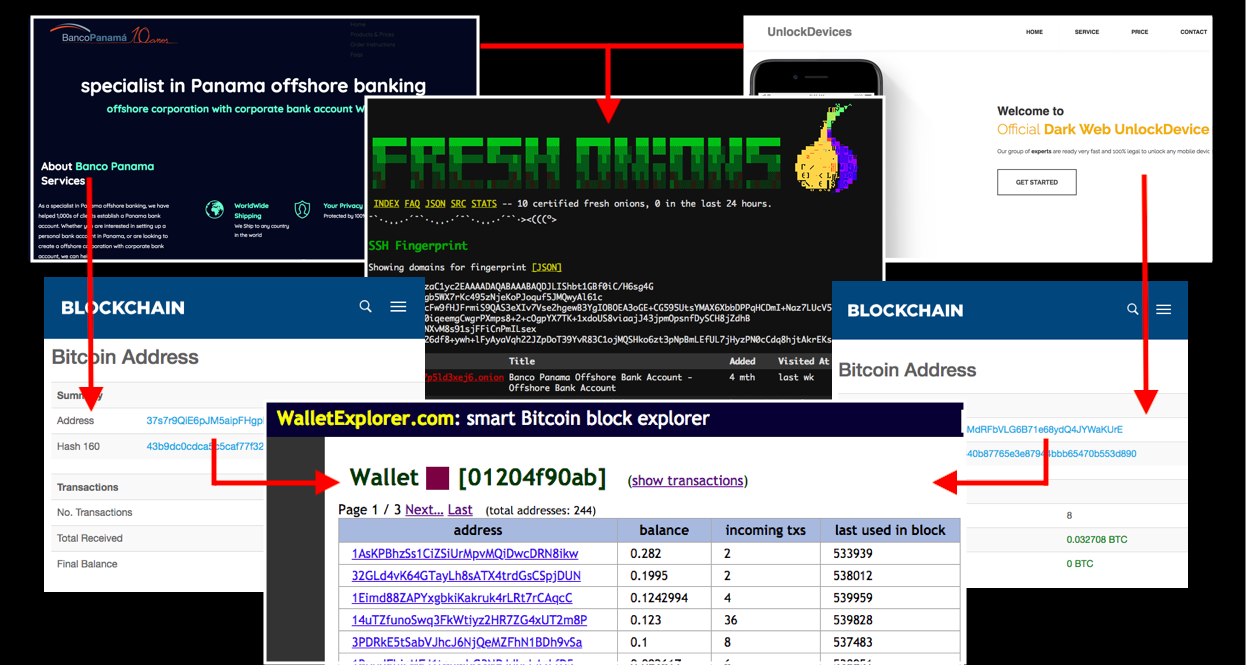
The darknet, often referred to as the dark web, is a mysterious and often misunderstood part of the internet. While it has gained notoriety for illegal activities, it also serves as a platform for privacy-conscious users, journalists, and activists. One of the most intriguing aspects of the darknet is its association with Bitcoin and other cryptocurrencies. In this article, we’ll explore how Bitcoins are traced on the darknet, how to access the dark web safely, and how you can leverage the dark network for legitimate purposes.
Understanding the Dark Network and the Deep Web
Before diving into Bitcoin tracing, it’s essential to understand what the darknet and deep web are.
What is the Deep Web?
The deep web refers to parts of the internet that are not indexed by search engines like Google. This includes private databases, academic journals, and password-protected content. While the deep web is vast, it is not inherently illegal.
What is the Dark Web?
The dark web is a subset of the deep web that is intentionally hidden and requires special software, such as the Tor browser, to access. It is often associated with anonymity and encrypted communications.
How to Access the Dark Web Safely
Accessing the dark web can be done legally and securely if you follow best practices. Here’s how:
- Use the Tor Browser – The Tor browser is the most common tool for accessing the dark web. It routes your traffic through multiple nodes, making it difficult to trace your activity.
- Enable a VPN – A Virtual Private Network (VPN) adds an extra layer of security by encrypting your internet connection.
- Avoid Suspicious Links – The dark web is filled with scams and malware. Only visit trusted dark web websites.
- Use Strong Encryption – Always use end-to-end encryption for communications and transactions.
How Bitcoins Are Traced on the Darknet
Bitcoin is the preferred currency on the darknet due to its pseudo-anonymous nature. However, law enforcement agencies and blockchain analysts have developed methods to trace Bitcoin transactions.
Blockchain Analysis
Every Bitcoin transaction is recorded on a public ledger called the blockchain. While Bitcoin addresses are pseudonymous, advanced techniques can link them to real-world identities.
Taint Analysis
Taint analysis tracks the flow of Bitcoins from one address to another, helping investigators identify suspicious transactions.
Law Enforcement Tactics
Agencies like the FBI and Europol use undercover operations, honeypots, and collaboration with cryptocurrency exchanges to trace illegal Bitcoin transactions.
How to Make Money with the Dark Web (Legally)
While the dark web is often associated with illegal activities, there are legitimate ways to make money:
- Freelance Services – Offer writing, programming, or consulting services on dark web forums.
- Selling Digital Products – Some dark web marketplaces allow the sale of legal digital goods.
- Privacy-Conscious Research – Journalists and researchers can use the dark web for secure communications.
Dark Web Websites and Videos: What You Need to Know
Accessing dark web websites and videos requires caution. Many sites are illegal or contain harmful content. Always use a VPN and Tor browser for safety.
How to Access Dark Web Videos
Some dark web forums host videos, but they are often illegal. If you’re looking for educational content, stick to legal sources.
Deep Web Website Links
Be cautious when clicking on deep web links. Many lead to scams or malware. Only visit trusted sites.
Conclusion: Navigating the Dark Network Responsibly
The darknet is a powerful tool for privacy and anonymity, but it must be used responsibly. By understanding how Bitcoins are traced and following best security practices, you can navigate the dark web safely. Whether you’re interested in blockchain analysis, making money legally, or accessing secure communications, the dark network offers unique opportunities—if used wisely.
Would you like more details on any specific aspect of the dark web? Let us know in the comments!
